Introduction
As we advance through 2026, the integration of virtual reality (VR) technology in medical training has emerged as a revolutionary approach, transforming how healthcare professionals are educated. The immersive capabilities of VR provide a platform for experiential learning, allowing trainees to practice complex medical procedures in a safe and controlled environment.
The Need for Innovative Training Methods
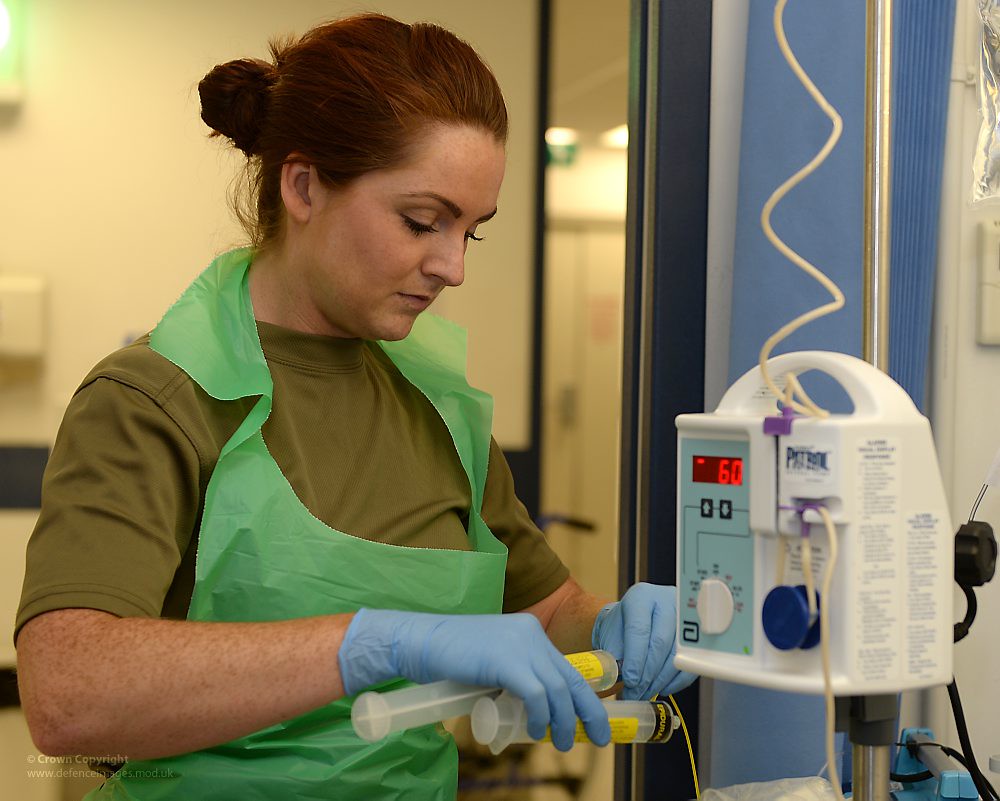
The traditional methods of medical training, while effective, face challenges in keeping pace with the rapidly evolving healthcare landscape. These methods often include lengthy lectures, textbooks, and limited hands-on experiences. With the increasing complexity of medical procedures and the growing necessity for specialized skills, there is a critical need for innovative training solutions.
Challenges in Conventional Medical Training
- Limited Hands-On Experience: Medical students often have few opportunities to perform procedures until they reach advanced stages of their education.
- High Patient Risk: Mistakes made during training can have serious consequences for real patients.
- Resource Intensive: Traditional training can be costly in terms of time, materials, and instructor availability.
How Virtual Reality is Changing the Game
Virtual reality offers solutions to many of these challenges by creating a realistic simulation of medical environments. Below are the key benefits of incorporating VR into medical training.
1. Safe Learning Environment
VR allows medical students to practice procedures without the risk of harming real patients. They can repeat tasks until mastery is achieved, promoting confidence and competence.
2. Realistic Simulations
With advanced graphics and audio, VR simulations can mimic real-life scenarios including surgical procedures, patient interactions, and emergency situations, providing healthcare professionals with practical experience.
3. Immediate Feedback
VR systems often include assessment tools that provide instant feedback on performance, helping trainees identify areas for improvement in real-time.
4. Accessibility
VR training can be accessed from various locations, reducing the need for travel and allowing medical professionals in remote areas to benefit from high-quality training resources.
Current Applications of VR in Medical Training
As of 2026, several medical institutions and training programs are successfully utilizing VR technology. Here are some notable applications:
1. Surgical Training
VR platforms such as Osso VR and ImmersiveTouch offer detailed simulations for complex surgical procedures. Trainees can practice techniques like suturing, laparoscopic surgeries, and even neurosurgery in a fully immersive 3D environment.
2. Patient Interaction Scenarios
Programs like VST are using VR to train healthcare professionals on effective communication with patients. These scenarios help improve soft skills, empathy, and bedside manner, which are critical components of patient care.
3. Emergency Response Training
VR training modules for emergency medical response teams are becoming increasingly popular. Trainees can experience high-pressure situations where quick decision-making is crucial, preparing them for real-life emergencies.
Future Trends in VR Medical Training
As we look to the future, the landscape of VR in medical training is set to evolve even further. Here are some anticipated trends:
1. Enhanced Customization
Future VR platforms will likely offer customizable training modules tailored to specific medical specialties, allowing for a more personalized education experience.
2. Integration of AI
The integration of artificial intelligence with VR can enhance simulations by creating adaptive learning experiences that respond to the behavior and decision-making of the trainee.
3. Multidisciplinary Training
VR technology will facilitate training collaboration among various healthcare disciplines, allowing for interdisciplinary practice where medical, nursing, and allied health professionals can train together in realistic scenarios.
Challenges and Considerations
Despite its numerous advantages, the use of VR in medical training is not without challenges:
- High Costs: The initial investment for VR technology can be significant, potentially limiting access for some institutions.
- Technical Limitations: As the technology continues to develop, there may be limitations in terms of hardware and software capabilities that affect user experience.
- Integration with Existing Curricula: There is a need for existing medical training programs to adapt and integrate VR into their curricula effectively.
Conclusion
The adoption of virtual reality in medical training represents a transformative shift in how healthcare professionals are prepared for their roles. By providing immersive, hands-on experiences, VR technology not only enhances learning but also ultimately contributes to better patient outcomes. As we navigate through 2026 and beyond, the continued evolution and integration of this innovative tool will play a crucial role in shaping the future of medical education.