Introduction
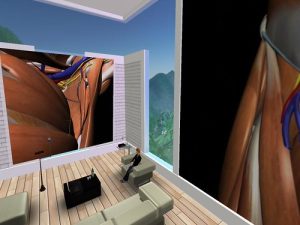
As we navigate through 2026, the intersection of technology and healthcare continues to evolve at breakneck speed. One of the most intriguing advancements is the integration of virtual reality (VR) into medical training and patient care. This innovative approach not only enhances the educational experience for medical professionals but also offers significant benefits to patient treatment and rehabilitation.

The Rise of Virtual Reality in Medical Education
In recent years, VR technology has revolutionized the way medical professionals are trained. Gone are the days of solely relying on textbooks and lectures. Now, students and practitioners engage in immersive simulations that provide hands-on experience in a controlled environment.
Benefits of VR in Medical Training
- Enhanced Learning Experience: Virtual reality allows for a more interactive and engaging learning environment. Medical students can practice procedures repeatedly without risk to actual patients.
- Realistic Scenarios: VR simulations provide realistic patient scenarios, including rare cases that students may not encounter during their clinical rotations. This prepares them for various situations they might face in the real world.
- Immediate Feedback: Many VR training modules offer real-time feedback, enabling students to learn from their mistakes and improve their skills on the spot.
How VR is Changing Patient Care
Beyond training, virtual reality is making significant strides in improving patient care. From pain management to therapy for PTSD, the applications of VR in healthcare are vast and varied.
Applications of VR in Patient Treatment
- Pain Management: Studies have shown that VR can effectively distract patients from pain during procedures or rehabilitation exercises, leading to reduced discomfort and anxiety.
- Physical Rehabilitation: VR programs can create engaging exercises for patients recovering from injuries, making rehabilitation more enjoyable and thus more effective. This innovative approach improves adherence to therapy regimens.
- Psychological Therapy: For conditions like anxiety or PTSD, VR offers controlled exposure to anxiety-inducing scenarios, helping patients confront their fears in a safe environment.
The Technological Landscape of VR in Healthcare
As we delve deeper into 2026, various technologies are enhancing the use of VR in healthcare. High-quality graphics, motion tracking, and user-friendly interfaces have made VR more accessible and effective.
Current Technologies Supporting VR in Medicine
- Advanced Headsets: Devices like the Oculus Quest 2 and HTC Vive Pro are at the forefront, offering high-resolution displays and responsive controls that create an immersive experience.
- Mobile VR Solutions: Lightweight, mobile VR platforms enable healthcare providers to implement VR solutions in various settings, from hospitals to outpatient clinics.
- AI Integration: Artificial intelligence is increasingly being paired with VR to personalize training scenarios based on the user’s performance and knowledge gaps.
Challenges and Considerations
Despite the promising advancements, integrating VR into medical training and patient treatment comes with its challenges. Cost, accessibility, and the need for ongoing technological updates are significant factors to consider.
Addressing the Challenges
- Cost: High initial investment in VR technology can be a barrier for many institutions. However, as the technology advances, prices are expected to decrease, making it more widely available.
- Accessibility: Ensuring that all medical professionals have access to VR training is essential. Institutions must assess their resources and seek partnerships to develop affordable solutions.
- Ongoing Training: As with any technology, proper training for instructors and users is crucial to maximize the benefits of VR. Continuous updates and training sessions will be necessary to keep pace with technological advancements.
Future Outlook
Looking ahead, the future of virtual reality in healthcare is bright. As technology continues to improve, we can expect to see even more innovative applications of VR in both medical education and patient care.
Potential Developments in VR Healthcare
- Collaborative Training Environments: Imagine multiple students or healthcare providers participating in a VR simulation from different locations, enhancing collaboration and learning.
- Expanded Therapeutic Applications: Researchers are likely to uncover new ways VR can assist in treating various psychological and physical conditions.
- Integration with Other Technologies: The fusion of VR with augmented reality (AR) and AI could lead to unprecedented advancements in patient care and medical training.
Conclusion
As we embrace the advancements of 2026, it’s evident that virtual reality is set to play a transformative role in medicine. From enhancing training for future healthcare providers to providing innovative treatment options for patients, VR is reshaping the landscape of medical care. By overcoming current challenges and harnessing the potential of this technology, we can look forward to a future where healthcare is more effective, engaging, and accessible to all.