Introduction
In recent years, the medical field has seen a significant shift towards preventive healthcare. This approach emphasizes the importance of avoiding diseases before they become major health issues. As we move through 2026, the rising awareness and incorporation of preventive measures in healthcare is paving the way for healthier societies. This article explores the growing trend of preventive healthcare, its benefits, key strategies, and the role of technology in facilitating this shift.
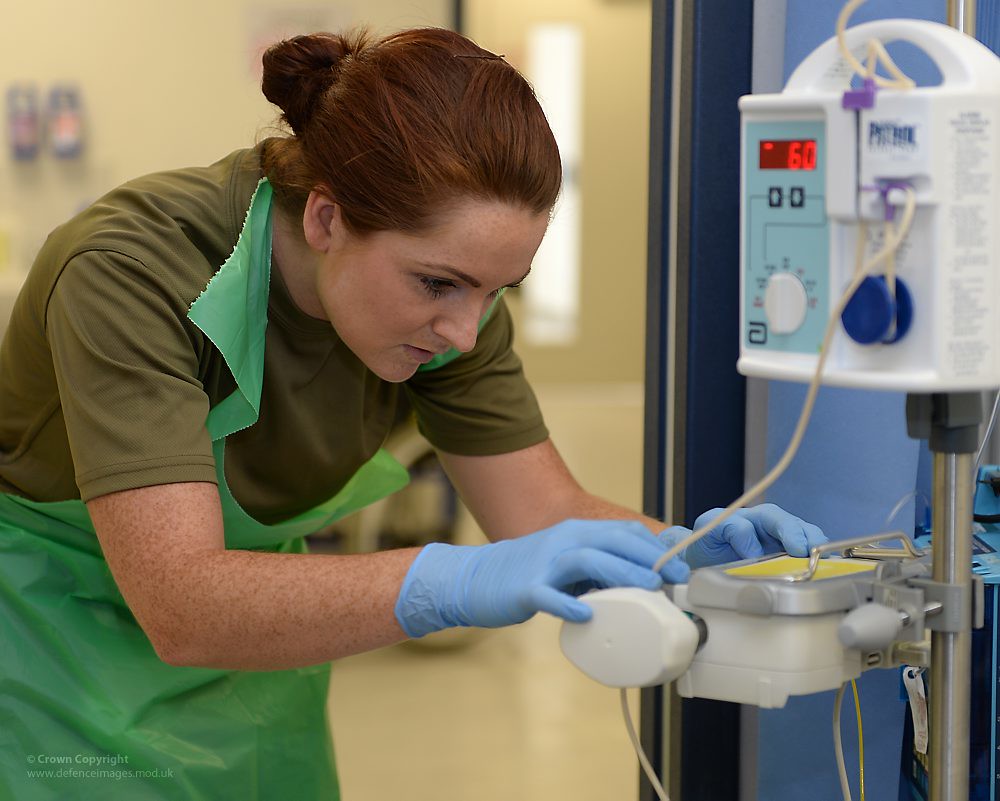
The Importance of Preventive Healthcare
Preventive healthcare focuses on the early detection and management of diseases, rather than treating them after they occur. This proactive approach is crucial for improving population health and reducing healthcare costs. The benefits include:
- Improved Health Outcomes: Early detection of diseases such as diabetes, heart disease, and cancer can lead to better treatment options and outcomes.
- Reduced Healthcare Costs: Preventive measures can lower the need for expensive treatments and hospitalizations, ultimately saving money for both patients and healthcare systems.
- Increased Life Expectancy: By preventing or delaying the onset of chronic diseases, individuals can lead longer, healthier lives.
Key Strategies in Preventive Healthcare
The shift towards preventive healthcare in 2026 can be seen in various strategies adopted by healthcare providers, communities, and individuals. Here are some of the most effective:
1. Regular Health Screenings
Health screenings play a vital role in identifying risk factors and early stages of diseases. Regular check-ups can include:
- Blood pressure monitoring
- Cholesterol and diabetes screenings
- Cancer screenings (mammograms, colonoscopies)
2. Vaccinations
Vaccinations are one of the most effective ways to prevent infectious diseases. In 2026, there is a stronger emphasis on:
- Ensuring immunizations are up-to-date.
- Public awareness campaigns to combat vaccine hesitancy.
3. Lifestyle Modifications
Encouraging healthier lifestyle choices is essential for preventing chronic diseases. This includes:
- Promoting physical activity and exercise.
- Encouraging balanced nutrition and healthy eating habits.
- Addressing mental health through stress management techniques.
The Role of Technology in Preventive Healthcare
Technology is driving the evolution of preventive healthcare, making it more accessible and effective. Some innovations we see in 2026 include:
1. Wearable Health Devices
Devices like fitness trackers and smartwatches allow individuals to monitor their health metrics continuously. Features include:
- Heart rate tracking
- Sleep quality monitoring
- Activity tracking to meet fitness goals
2. Telemedicine
Telemedicine has become essential in preventive healthcare by providing convenient access to health professionals. It allows:
- Remote consultations to discuss health concerns.
- Follow-up care for chronic conditions, reducing the need for in-person visits.
3. Health Apps
Mobile applications focused on health management support individuals in tracking their health goals, medications, and doctor appointments. They can:
- Provide reminders for medications and screenings.
- Offer personalized health tips and educational resources.
Community Initiatives and Their Impact
Communities play a crucial role in fostering a preventive healthcare culture. Some effective community initiatives include:
1. Health Fairs
Health fairs offer free screenings, educational booths, and resources for the public to learn more about their health.
2. Support Groups
Peer-led support groups help individuals adopt healthier lifestyles by sharing experiences and strategies for success.
3. Collaboration with Local Organizations
Healthcare providers are partnering with local organizations to create programs that promote physical activity and healthy eating.
The Challenges Ahead
While the shift towards preventive healthcare is promising, several challenges remain:
- Access to Care: Ensuring equal access to preventive services for all populations is critical.
- Education: Increasing public awareness about the importance of preventive care is essential to drive this initiative.
- Insurance Coverage: Encouraging insurance companies to provide comprehensive coverage for preventive services is crucial for wider adoption.
Conclusion
As we progress through 2026, the emphasis on preventive healthcare is set to transform the medical landscape significantly. By prioritizing prevention, we can improve health outcomes, reduce costs, and enhance the quality of life for individuals and communities alike. Embracing this proactive approach will ensure a healthier future for generations to come.