Category: Health

  • The Future of Preventive Medicine: Strategies for a Healthier Tomorrow in 2026

    The Future of Preventive Medicine: Strategies for a Healthier Tomorrow in 2026

    Introduction to Preventive Medicine

    Preventive medicine has gained significant traction in recent years, especially as we venture deeper into 2026. The concept revolves around the idea of preventing diseases rather than merely treating them after they occur. This proactive approach not only enhances overall public health but also reduces the burden on healthcare systems.

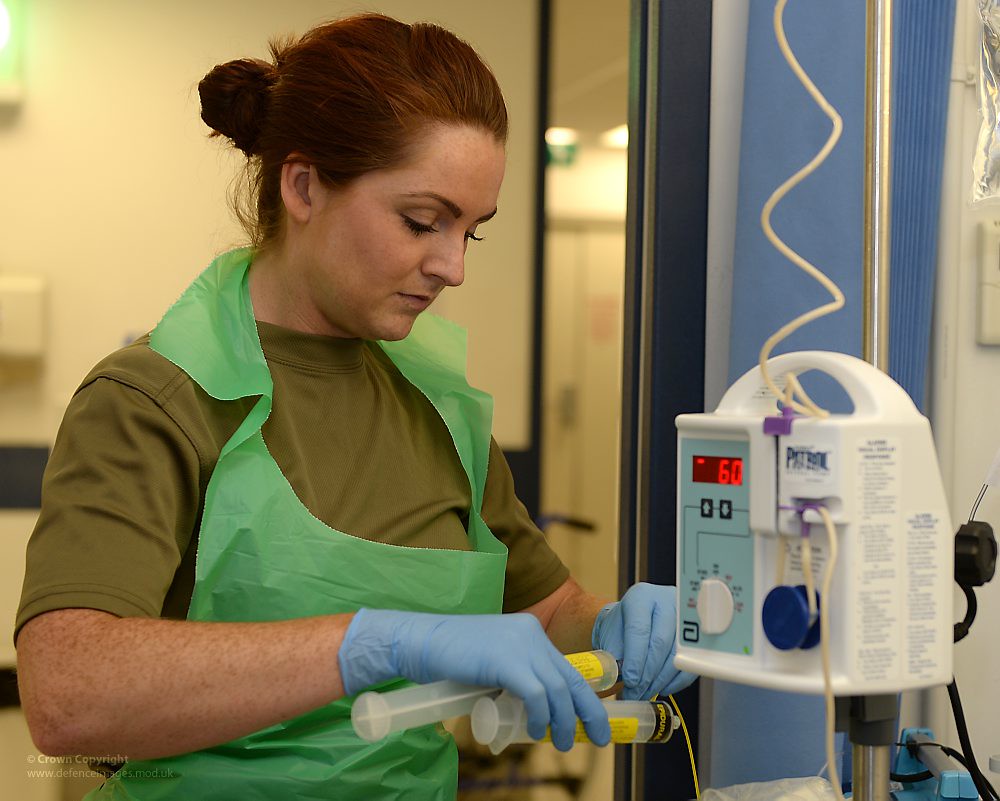
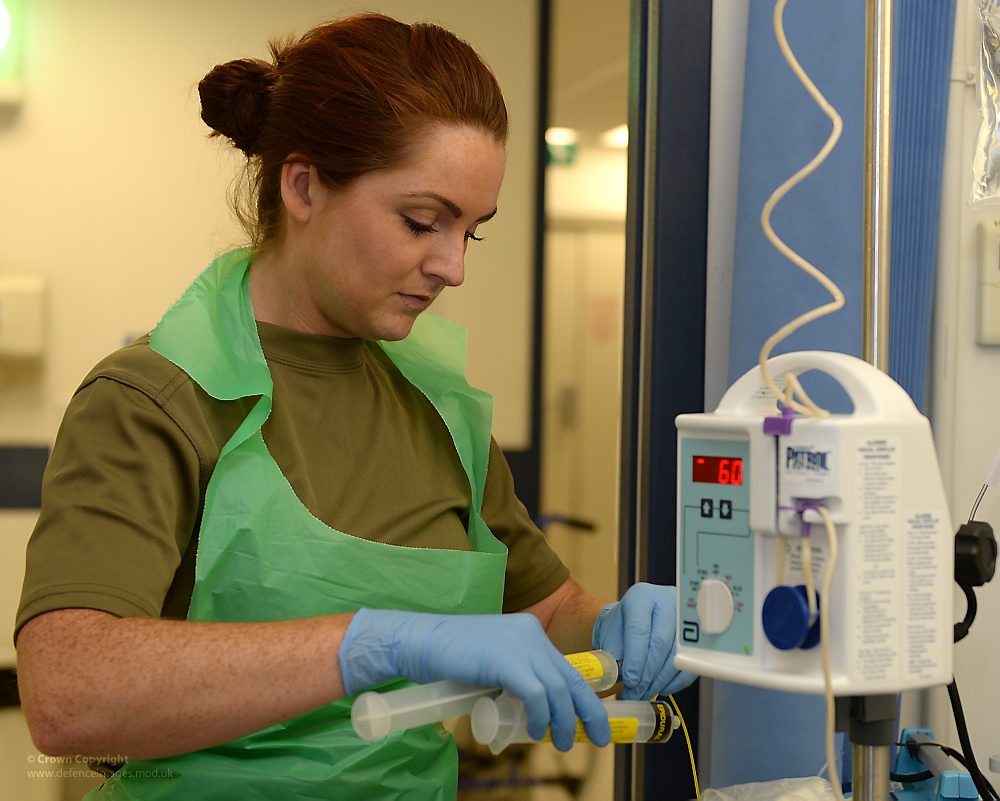
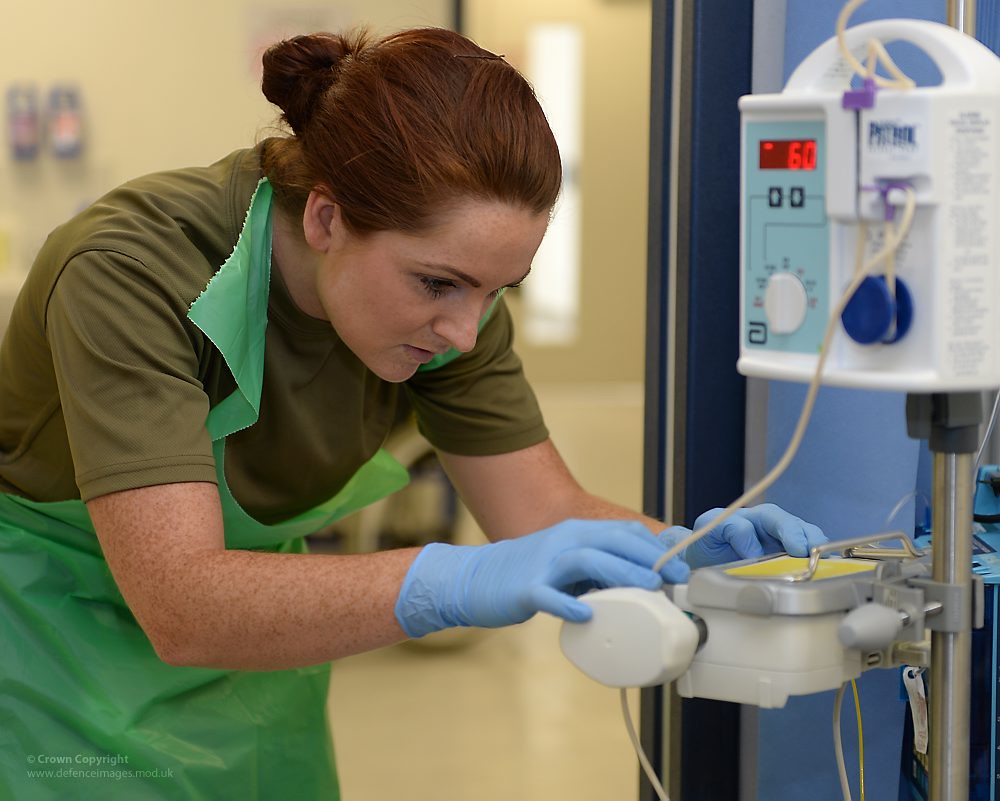
    Army Nurse Operating Medical Equipment at Camp Bastion Hospital, Afghanistan
    Foto: Defence Images

    Current Trends in Preventive Medicine

    As we explore the current landscape of preventive medicine, several trends have emerged that are shaping the future of healthcare:

    • Data-Driven Health Insights: With advancements in technology, medical professionals can access an unprecedented amount of health data, enabling personalized preventive measures.
    • Genetic Screening: The integration of genetic testing in routine health checks allows for early identification of potential health risks.
    • Behavioral Health Integration: There is a growing recognition of the link between mental health and physical health, leading to more holistic preventive strategies.

    Strategies for Effective Preventive Medicine

    1. Promoting Healthy Lifestyles

    Encouraging individuals to adopt healthier lifestyles is a cornerstone of preventive medicine. This includes:

    • Nutrition Education: Providing information on balanced diets and nutritional choices can help prevent obesity and related diseases.
    • Physical Activity Programs: Creating community initiatives that encourage regular exercise can combat sedentary behavior.
    • Avoidance of Tobacco and Substance Abuse: Awareness campaigns about the dangers of smoking and substance abuse are critical in prevention.

    2. Regular Health Screenings

    Routine health screenings play a vital role in early detection. Recommendations include:

    • Age-Appropriate Screenings: Guidelines suggest that individuals undergo screenings based on their age and risk factors, such as cholesterol, blood pressure, and cancer screenings.
    • Vaccinations: Keeping up with vaccination schedules is essential in preventing infectious diseases.

    3. Leveraging Technology

    The digital health revolution has transformed how we approach preventive medicine:

    • Wearable Technology: Devices that monitor heart rate, and physical activity, and even sleep patterns can provide real-time health data to users.
    • Telehealth Consultations: Virtual consultations enable patients to engage with healthcare providers easily, making it simpler to discuss preventive measures.

    Challenges Facing Preventive Medicine

    Despite its benefits, preventive medicine faces several challenges:

    • Lack of Awareness: Many individuals remain unaware of the importance of preventive measures.
    • Access to Care: Disparities in healthcare access can hinder preventive efforts, particularly in underserved communities.
    • Healthcare Costs: The high costs of preventive services can deter individuals from seeking necessary screenings.

    Future Directions in Preventive Medicine

    As we look ahead, several directions will likely define the future of preventive medicine:

    • Personalized Preventive Care: As more data becomes available, healthcare providers can create tailored preventive plans for individuals.
    • Health Policy Changes: Advocacy for policies promoting preventive care can help bridge gaps in accessibility and affordability.
    • Community Engagement: Building community programs aimed at education and accessibility can foster a culture of prevention.

    Conclusion

    Preventive medicine is poised to be a cornerstone of modern healthcare in 2026 and beyond. By focusing on proactive strategies, leveraging technology, and addressing the challenges that exist, we can pave the way for a healthier future. Embracing this approach not only benefits individual health but also enhances the wellbeing of communities and society as a whole.

  • Holistic Approaches in Modern Medicine: Bridging Tradition and Innovation in 2026

    Holistic Approaches in Modern Medicine: Bridging Tradition and Innovation in 2026

    Introduction

    As we navigate through 2026, the landscape of medicine continues to evolve, integrating holistic practices with cutting-edge technology. The rising interest in holistic approaches reflects a growing understanding that health is not merely the absence of disease but a state of complete physical, mental, and social well-being.

    Parma Fire Department Medic 2 - Ohio
    Foto: Seluryar

    The Holistic Health Movement

    The holistic health movement emphasizes the interconnectedness of the body, mind, and spirit. In 2026, this approach is gaining traction among healthcare providers and patients alike. Here are some key aspects of holistic health:

    • Patient-Centered Care: Holistic medicine prioritizes the unique needs of individuals, treating each person as a whole rather than focusing on specific symptoms.
    • Integrative Practices: Combining traditional medicine with complementary therapies such as acupuncture, chiropractic, and nutritional counseling.
    • Emphasis on Prevention: A holistic approach stresses the importance of lifestyle choices, preventative measures, and self-care to maintain health and prevent chronic illnesses.

    Trends Shaping Holistic Medicine in 2026

    1. Increased Access to Alternative Therapies

    With the expansion of telehealth services, patients now have easier access to alternative therapies that complement conventional treatments. This has led to a rise in popularity for services such as:

    • Mindfulness and Meditation: Practices that reduce stress and enhance overall well-being.
    • Herbal Medicine: Growing interest in plant-based remedies and their incorporation into modern treatments.
    • Yoga and Physical Therapy: Integrative practices that promote physical health and mental clarity.

    2. Focus on Mental Health

    In 2026, mental health awareness has reached new heights, with holistic approaches being recognized as vital for overall well-being. Therapeutic techniques such as:

    • Cognitive Behavioral Therapy (CBT): Often combined with mindfulness practices to enhance treatment outcomes.
    • Expressive Arts Therapy: Utilizing creative expression as a means of healing.
    • Nature Therapy: Encouraging time spent in nature as a natural remedy for mental health challenges.

    3. Technology and Holistic Practices

    Advancements in technology are not only enhancing patient care but also supporting holistic practices. Some examples include:

    • Apps for Mindfulness: Applications that guide users through meditation, breathing exercises, and mindfulness techniques.
    • Wearable Technology: Devices that monitor physical health and stress levels, allowing for personalized wellness plans.
    • Teletherapy: Offering mental health services remotely, making therapy more accessible.

    Challenges Facing Holistic Health

    Despite the positive momentum, there are challenges that the holistic health movement must navigate:

    • Regulation and Standardization: The lack of uniform regulations for holistic practices can create confusion for both practitioners and patients.
    • Integration with Conventional Medicine: Bridging the gap between traditional and alternative health practices can be challenging, requiring ongoing education for healthcare providers.
    • Insurance Coverage: Limited insurance reimbursement for alternative therapies can hinder access for many patients.

    The Future of Holistic Medicine

    Looking ahead, the future of holistic medicine appears promising. With growing public interest, it is likely that:

    • Education and Awareness: Increased training for healthcare providers in holistic methods will enhance integration into conventional practices.
    • Research and Evidence: More studies will be conducted to validate the effectiveness of holistic treatments, helping to establish credibility in the healthcare community.
    • Greater Patient Engagement: Patients will take a more active role in their healthcare decisions, seeking out holistic options that resonate with their values and beliefs.

    Conclusion

    The blending of holistic practices with modern medicine is reshaping the healthcare landscape in 2026. As we continue to embrace the idea that health is a multifaceted journey, both patients and practitioners are likely to find innovative ways to collaborate for improved health outcomes. The future of medicine is indeed a mosaic of tradition and innovation, where the wisdom of the past meets the advancements of the present.