Introduction to Chronic Disease Management
Chronic diseases, such as diabetes, hypertension, and cardiovascular diseases, are persistent health conditions that require long-term management. As of 2026, advancements in technology and healthcare strategies are transforming how these diseases are managed, leading to improved patient outcomes and enhanced quality of life.
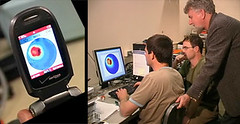
Technological Innovations in Chronic Disease Management
The integration of technology in managing chronic diseases has been revolutionary. Here are some of the key advancements shaping the current landscape:
- Remote Monitoring Tools: Wearable devices and mobile applications allow for continuous monitoring of health metrics like blood glucose levels and blood pressure. Patients can share real-time data with their healthcare providers, enabling timely interventions.
- Telehealth Services: Telehealth has expanded access to specialist care, making it easier for patients to consult with healthcare providers without the need for physical visits. This is particularly beneficial for those living in rural areas or with mobility issues.
- Data Analytics: Advanced analytics and artificial intelligence are being utilized to predict disease progression and personalize treatment plans. These tools analyze patient data to identify trends and recommend tailored interventions.
Remote Monitoring Tools Explained
Remote monitoring tools are devices that track and transmit health data to healthcare providers. They include:
- Continuous Glucose Monitors (CGMs): These devices are essential for diabetes management, providing real-time glucose readings that help patients and doctors make informed decisions.
- Smart Blood Pressure Monitors: These devices allow individuals to monitor their blood pressure at home and share readings with their healthcare team seamlessly.
- Wearable Fitness Trackers: While often used for general fitness, these devices can also help chronic disease patients develop healthier habits by tracking physical activity and sleep patterns.
Patient Education and Engagement
Empowering patients through education is critical in managing chronic diseases. As of 2026, healthcare providers are focusing on:
- Personalized Education Programs: Tailoring educational resources to match the patient’s specific condition and learning style enhances understanding and adherence to treatment.
- Support Groups: Online platforms facilitate the connection between patients with similar conditions, allowing for shared experiences and advice, which fosters a sense of community and support.
- Incorporating Behavioral Health: Understanding the psychological aspects of chronic disease management is essential. Integrating behavioral health strategies helps patients cope with the emotional challenges of living with a chronic condition.
The Importance of Support Networks
Creating a strong support network can significantly influence a patient’s ability to manage their chronic condition. Patients are encouraged to engage with:
- Family and Friends: Emotional support from loved ones is crucial for maintaining mental well-being and encouraging adherence to treatment plans.
- Healthcare Teams: Regular communication with a multidisciplinary healthcare team ensures comprehensive care, addressing both physical and psychological aspects.
- Community Resources: Local organizations and healthcare facilities often offer workshops and programs designed to support individuals with chronic illnesses.
Pharmaceutical Advancements
Innovations in medication are also making waves in chronic disease management. Key trends include:
- Novel Therapies: New classes of medications are being developed that target the underlying mechanisms of chronic diseases, offering hope for improved management and reduced side effects.
- Combination Therapies: Using multiple medications in combination can optimize treatment efficacy and reduce the risk of complications associated with chronic conditions.
- Accessibility of Medications: Efforts are underway to improve the affordability and accessibility of essential medications for chronic disease patients, ensuring they receive the necessary treatments.
Importance of Continuous Research
Ongoing research is critical to uncovering new treatment modalities and understanding chronic diseases better. Collaborative efforts between academic institutions and pharmaceutical companies are essential for:
- Identifying Biomarkers: Discovering biomarkers can lead to earlier diagnosis and more effective treatment plans tailored to individual patients.
- Clinical Trials: Participation in clinical trials provides patients access to cutting-edge therapies and contributes to broader knowledge in chronic disease treatment.
- Longitudinal Studies: Prolonged research studies help track disease progression and treatment outcomes over time, informing best practices in chronic care management.
Conclusion
As we move further into 2026, the management of chronic diseases continues to evolve. With the convergence of technology, patient education, and ongoing research, healthcare providers are better equipped to offer personalized and effective care. Engaging patients as active participants in their health journey is essential for achieving optimal outcomes and improving the quality of life for those living with chronic conditions.