Introduction
As the healthcare landscape continues to evolve, the education of medical professionals is becoming increasingly important. In 2026, innovative teaching methods and technological advancements are reshaping how healthcare providers are trained. This article explores the latest trends in medical education, focusing on how these changes are preparing professionals for the complexities of modern healthcare.
The Need for Change in Medical Education
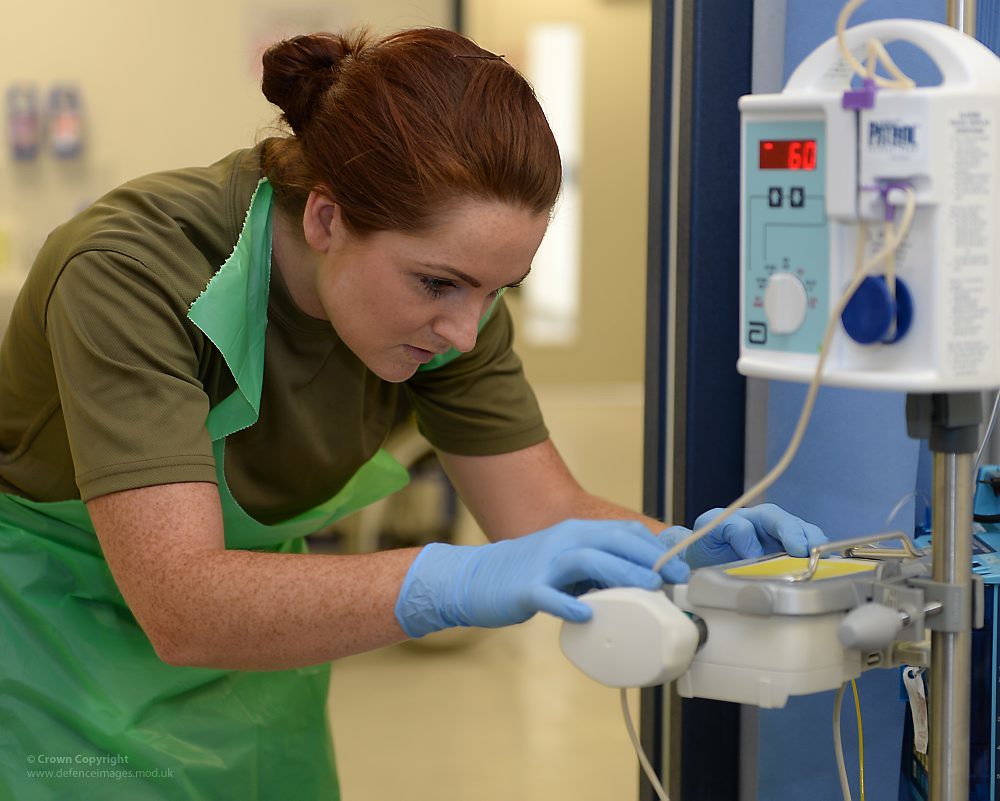
Traditional methods of medical education have been criticized for being too rigid and not adequately preparing students for the realities of clinical practice. Factors prompting a reevaluation of medical training include:
- The rapid pace of medical knowledge expansion: With new treatments and technologies emerging constantly, students must be equipped to adapt and integrate this information into their practice.
- The focus on patient-centered care: Training needs to emphasize communication skills, empathy, and shared decision-making.
- The integration of technology: Medical professionals must be proficient in utilizing digital tools and data analytics in their practice.
Innovative Teaching Methods
1. Simulation-Based Learning
Simulation-based learning is becoming a cornerstone of medical education. This method offers students the opportunity to practice clinical skills in a safe environment, using realistic scenarios and advanced technology such as virtual reality (VR) and augmented reality (AR). Key advantages include:
- Enhanced learning experiences through hands-on practice.
- Immediate feedback, allowing students to rectify mistakes before entering real-world settings.
- Increased confidence in clinical skills, ultimately leading to better patient care.
2. Interprofessional Education (IPE)
Interprofessional education is gaining traction as healthcare becomes more collaborative. By training students from different medical fields together, IPE promotes teamwork and understanding of various roles within the healthcare system. Benefits of IPE include:
- Improved communication skills among future healthcare providers.
- Preparation for working in multidisciplinary teams, which is essential for effective patient care.
3. Flipped Classroom Model
The flipped classroom model reverses traditional teaching methods by delivering instructional content online and facilitating in-class activities. This approach allows students to engage more actively during class and promotes deeper learning. Key features include:
- Increased flexibility for students to learn at their own pace.
- Opportunities for hands-on activities and discussions during class time.
Integration of Technology
The Role of Artificial Intelligence
Artificial intelligence (AI) is becoming an integral part of medical education. AI tools can assist in:
- Personalizing learning experiences based on individual student performance and learning preferences.
- Providing educators with analytics on student engagement and comprehension, helping tailor teaching methods.
Telemedicine Training
As telemedicine continues to grow, medical education programs are incorporating training modules focused on remote patient interactions. This training equips future healthcare providers with the skills needed for effective virtual consultations, including:
- Utilizing technology for diagnosis and treatment.
- Maintaining patient engagement and rapport through digital channels.
Continued Professional Development
The evolving nature of healthcare necessitates continuous learning. Medical professionals in 2026 will need to actively engage in ongoing education to stay current with medical advancements and best practices. Emerging trends in continued professional development include:
- Online Courses and Webinars: Flexible, accessible options for busy professionals to learn about new developments.
- Micro-Credentials: Shorter, focused courses that allow professionals to gain specific skills or knowledge.
Conclusion
The future of medical education is bright, characterized by a blend of innovative teaching methods and the integration of technology. As we move further into 2026, it is crucial that educational institutions adapt to these changes, ensuring that healthcare professionals are not only well-educated but also prepared to meet the challenges of modern medicine. By embracing new methodologies and continuously evolving, the medical education landscape can foster a new generation of healthcare providers ready to deliver exceptional care.