Innovations in Surgical Techniques: How 2026 is Shaping the Future of Surgery
As we dive deeper into the medical advancements of 2026, we witness a remarkable transformation in surgical techniques. With the integration of technology, research, and patient-centric care, surgery is becoming more precise, less invasive, and easier for patients to recover from. This article explores the latest innovations that are paving the way for a new era in surgery.

The Shift to Minimally Invasive Surgery
Minimally invasive surgery (MIS) has been a growing trend over the past few years, and 2026 is no exception. Surgeons are increasingly employing techniques that minimize incisions and reduce recovery time.
- Laparoscopic Surgery: This technique allows surgeons to perform operations through small incisions using a camera and specialized instruments. It is widely used for gallbladder removal, hernia repairs, and more.
- Robotic-Assisted Surgery: The rise of robotic surgical systems enables precision in complex procedures, enhancing the surgeon’s ability to manipulate instruments with great accuracy.
Integration of Augmented Reality (AR) and Virtual Reality (VR)
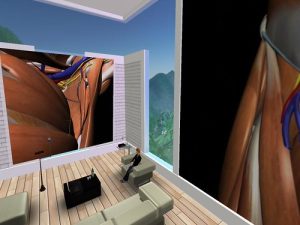
Augmented Reality (AR) and Virtual Reality (VR) technologies are beginning to revolutionize surgical practices. By providing surgeons with real-time data overlays, these technologies improve visualization during operations.
- Enhanced Visualization: AR provides 3D representations of patient anatomy, allowing surgeons to plan and execute procedures more effectively.
- Training and Simulation: VR simulations help train medical professionals in a risk-free environment, improving skills without endangering patients.
Artificial Intelligence in Surgery
Artificial Intelligence (AI) continues to make strides in surgical applications. From pre-operative assessments to intraoperative decision support, AI is enhancing surgical outcomes.
- Predictive Analytics: AI algorithms analyze patient data to predict complications and suggest personalized surgical approaches.
- Smart Surgical Instruments: These are equipped with sensors that provide feedback during surgery, helping to maintain optimal conditions and ensure precision.
Focus on Patient-Centric Approaches
As healthcare shifts towards more personalized care, surgical techniques are adapting to focus on patient needs. This includes better communication between patients and surgical teams, as well as custom treatment plans. Also read: wak89 for more insights.
- Shared Decision Making: Surgeons are increasingly involving patients in decision-making processes regarding their surgical options, ensuring they understand the risks and benefits.
- Customized Recovery Plans: Utilizing data analytics, healthcare teams develop tailored recovery protocols that cater to individual healing processes.
Sustainable Surgical Practices
As we progress in 2026, sustainability is becoming an important consideration in surgical practices. Hospitals are actively seeking ways to minimize their environmental footprint.
- Reducing Waste: Efforts to minimize single-use surgical tools and equipment are being implemented, encouraging the use of sterilizable instruments.
- Energy-Efficient Operating Rooms: Innovations include advanced lighting and equipment designed to reduce energy consumption during procedures.
Tele-surgery: The Future of Remote Operations
Tele-surgery, or remote surgery, is gaining traction, allowing surgeons to perform operations from miles away through robotic systems controlled via high-speed internet.
- Access to Expertise: This technology bridges the gap between expert surgeons and remote patients in underserved areas, ensuring everyone has access to high-quality surgical care.
- Emergency Interventions: In critical situations, tele-surgery enables timely interventions, potentially saving lives when expert surgical skills are not locally available.
The Role of 3D Printing in Surgery
3D printing is a game-changer in the medical field, particularly in surgery. Custom implants and models can be created to match individual patient anatomies, enhancing surgical precision.
- Custom Prosthetics: Personalized prosthetics can be designed and produced quickly, improving fit and functionality for patients.
- Pre-surgical Models: Surgeons can practice complex procedures on 3D printed models, leading to enhanced preparedness and better outcomes.
Conclusion
The landscape of surgical techniques in 2026 is rapidly evolving, driven by technology, a focus on patient care, and sustainability. As we look to the future, these innovations promise to reshape the way surgeries are performed, making them safer, more effective, and more patient-centric. Embracing these advancements is essential for medical professionals aiming to provide the best possible care in the changing healthcare environment.