Introduction
As we move further into 2026, the landscape of telehealth continues to evolve rapidly, affecting how patients engage with healthcare providers. Several advances in technology and practices have transformed telehealth from a temporary solution during the pandemic into a permanent fixture in the medical field. In this article, we will explore the significant advancements in telehealth, the implications for patient engagement, and the potential for future development.
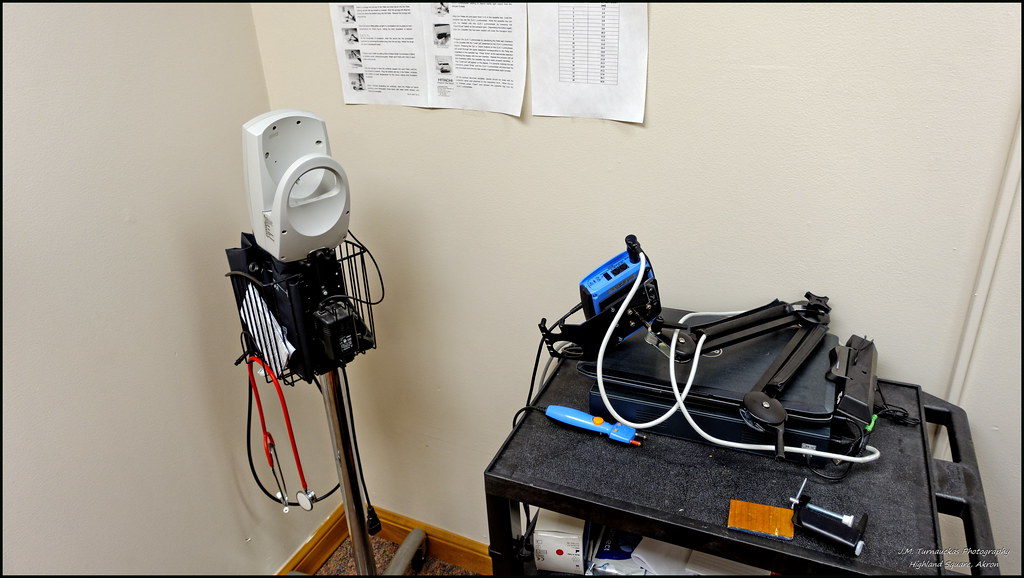
Telehealth: An Overview
Telehealth encompasses a variety of technologies and services that deliver care at a distance. With the integration of video calls, mobile health applications, and remote monitoring systems, patients now enjoy more accessible and convenient healthcare options.
Growth of Telehealth
As of 2026, telehealth has experienced unprecedented growth and is now considered a fundamental aspect of patient care across many specialties, including:
- Primary Care: Regular consultations are becoming commonplace.
- Specialty Services: Patients can now consult with specialists without the need for travel.
- Mental Health Services: Increased access has been crucial for behavioral health support.
Enhancements in Technology
Several technological advancements have further enabled the growth of telehealth, improving patient engagement:
Wearable Health Tech
Wearables continue to gain popularity, allowing patients to track vital signs and share data with healthcare providers in real time. This technology enhances personalization in health management and encourages patients to take an active role in their care.
AI-Powered Chatbots
Artificial intelligence (AI) is being utilized through chatbots to provide 24/7 patient support. These systems can facilitate appointment scheduling, answer health-related questions, and provide reminders for medications, thereby enhancing communication between patients and healthcare providers.
Improving Patient Engagement
One of the most significant impacts of telehealth is the improvement in patient engagement. Patients are taking more ownership of their healthcare journey.
Access to Information
With the rise of telehealth, patients have increased access to their medical information, allowing them to stay informed and involved in their own health decisions. Health apps and patient portals make it easier for individuals to:
- View test results.
- Manage appointments.
- Communicate with healthcare teams.
Tailored Patient Experiences
Telehealth allows healthcare providers to tailor experiences based on individual patient needs. The flexibility of virtual appointments provides a comfortable environment for patients to discuss sensitive issues, thereby increasing their willingness to engage in discussions about their health.
Challenges Ahead
Despite the advantages, challenges remain in the realm of telehealth that could affect patient engagement:
Technology Access
Not all patients have access to the necessary technology or stable internet connections. This digital divide can create disparities in who can benefit from telehealth services. Efforts must be made to ensure that all populations have access to the tools needed to engage effectively.
Data Security Concerns
As telehealth grows, so does the importance of ensuring patient data security. Cybersecurity threats can undermine patient trust in these digital platforms. Continued investment in robust security measures is essential to protect sensitive health information.
The Future of Telehealth and Patient Engagement
Looking ahead, the potential of telehealth presents vast opportunities to further enhance patient engagement:
Integrating Virtual Reality
As virtual reality (VR) technology becomes more refined, incorporating VR into telehealth could allow patients to experience simulations that enhance their understanding of medical conditions and treatments.
Expanded Health Services
As technology continues to evolve, the range of services offered through telehealth may expand to include:
- Chronic disease management.
- Rehabilitation services.
- Post-operative follow-ups.
Conclusion
In 2026, telehealth is not just a trend; it is an integral part of how care is delivered and experienced. With continuous advancements in technology and an emphasis on patient engagement, the future of telehealth looks promising. As we embrace this new era, stakeholders in healthcare must work together to ensure equitable access, embrace innovation, and tackle emerging challenges head-on, ultimately leading to a more engaged and empowered patient population.