Introduction
As we progress through 2026, the incorporation of advanced technologies into healthcare continues to reshape the landscape of medical training and patient care. Among these technologies, virtual reality (VR) stands out as a transformative tool, offering innovative solutions for both practitioners and patients. This article explores the current applications of VR in medical training, therapy, and rehabilitation, highlighting its potential to enhance learning and improve patient outcomes.
The Evolution of VR in Medical Training
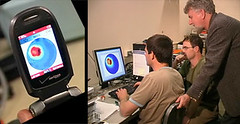
Virtual reality has come a long way since its initial use in gaming and entertainment. Today, it serves as an immersive training platform for healthcare professionals. The key benefits of utilizing VR in medical education include:
- Realistic Simulations: VR can replicate complex surgical scenarios, allowing medical students and professionals to practice their skills in a controlled environment without the risk of harming patients.
- Enhanced Learning Experience: Interactive simulations can improve information retention, making it easier for students to understand intricate medical procedures and anatomy.
- Accessible Training: With VR, access to high-quality training can be widespread, regardless of geographical location, potentially addressing disparities in medical education.
Case Studies in VR Medical Training
Several institutions have embraced VR for their medical training programs:
- Stanford University: Their immersive VR curriculum allows students to perform surgeries on virtual patients and receive real-time feedback, enhancing their hands-on skills.
- Harvard Medical School: By integrating VR into their anatomy courses, students can visualize and interact with 3D models of human anatomy, improving their understanding of complex structures.
- University of Maryland: The medical school utilizes VR to train students in emergency response techniques, providing them with a realistic understanding of high-pressure situations.
VR in Patient Care and Therapy
The applications of virtual reality extend beyond training; they are also making a significant impact on patient care, particularly in therapeutic settings. Here are some ways VR is being used: Also read: wak89 for more insights.
- Pain Management: VR provides patients with immersive environments that can distract them from pain and anxiety during medical procedures or rehabilitation. Studies show that patients who engage in VR experiences report lower pain levels and reduced stress.
- Phobia Treatment: Exposure therapy has been revolutionized with VR, allowing patients to confront and manage their fears in a safe, controlled virtual environment. This has been particularly effective for conditions such as PTSD and various phobias.
- Physical Rehabilitation: VR can make rehabilitation exercises more engaging and interactive, encouraging patients to adhere to their therapy regimens. Programs are designed to motivate patients through gamification, enhancing their recovery experience.
Research and Evidence
Research into the effectiveness of VR in patient care is growing:
- A 2026 study published in the Journal of Pain Management revealed that patients using VR during surgical procedures experienced a 30% reduction in perceived pain compared to those receiving traditional care.
- Another recent study in the Journal of Psychological Therapy showed significant improvements in anxiety levels for patients undergoing VR exposure therapy, with many reporting lasting benefits.
- Furthermore, the efficacy of VR-enhanced physical therapy has been highlighted in a 2026 meta-analysis that concluded VR could improve patient engagement, resulting in faster recovery times.
Future Directions and Challenges
While the potential for VR in healthcare is immense, several challenges remain:
- High Cost: Developing and maintaining VR systems can be expensive, potentially limiting access for smaller healthcare facilities.
- Technological Limitations: Although VR technology has improved drastically, issues like motion sickness and the need for specialized training to use the equipment effectively still pose barriers.
- Integration into Existing Systems: Seamlessly integrating VR into the current medical curriculum and patient care protocols requires significant changes within healthcare organizations.
The Path Forward
To overcome these challenges, collaboration between technology developers, educational institutions, and healthcare providers is essential. As more evidence emerges regarding the benefits of VR in both training and patient care, it is likely that investment in this technology will increase, driving innovation and accessibility.
Conclusion
The rise of virtual reality in 2026 marks a pivotal moment in the medical field. By enhancing medical training and patient care, VR not only fosters better educational outcomes for future healthcare professionals but also significantly improves the therapeutic experience for patients. As the technology matures and becomes more integrated into healthcare systems, it promises to revolutionize the way we approach medical education and treatment, paving the way for a more effective and compassionate healthcare environment.