Introduction to Modern Rehabilitation
As we progress through 2026, the field of rehabilitation medicine is witnessing transformative innovations that enhance recovery and improve patient outcomes. With a focus on personalized treatments and technological advances, rehabilitation is becoming more effective and accessible than ever before.
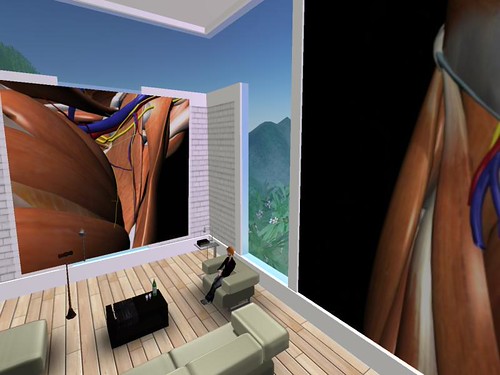
Understanding the Need for Rehabilitation Innovations
Rehabilitation plays a crucial role in helping individuals regain strength and functionality after injuries, surgeries, or debilitating conditions. As the population ages and the prevalence of chronic diseases rises, there is an increasing demand for rehabilitation services. The following sections will explore the key innovations that are shaping this vital field.
1. Advanced Robotic-Assisted Therapy
Robotic-assisted therapy has emerged as a game-changer in the world of rehabilitation. These systems offer:
- Precision: Robotic devices provide accurate and repeatable movements, ensuring patients receive consistent therapy.
- Assistance with Range of Motion: Robots help patients regain mobility by guiding them through exercises tailored to their needs.
- Motivational Factors: Many robotic systems incorporate gamification, encouraging patients to engage actively in their recovery.
2. Virtual Reality (VR) in Rehabilitation
Virtual reality is being increasingly utilized in rehabilitation settings to create immersive environments that enhance therapy effectiveness. Key benefits include:
- Engagement: VR enables patients to participate in therapy sessions that feel more like games, increasing their willingness to engage.
- Realistic Scenarios: Patients can practice skills in a safe, controlled environment that mimics real-life challenges.
- Data Collection: VR systems can track progress and provide therapists with insights into patient performance, allowing for adjustments in treatment plans.
3. Tele-rehabilitation: Bridging Distances
The rise of telemedicine has paved the way for tele-rehabilitation, providing vital services to those unable to attend in-person sessions. Its advantages include:
- Accessibility: Patients living in remote areas can receive the care they need without the burden of travel.
- Flexibility: Tele-rehabilitation allows patients to participate in sessions at their convenience, fitting therapy around their schedules.
- Continuous Monitoring: Through wearable technologies, therapists can monitor patient progress and adjust protocols as needed.
4. Personalized Rehabilitation Plans
In 2026, the focus on personalized rehabilitation plans has become paramount. Factors contributing to this trend include:
- Genetic Insights: Understanding a patient’s genetic makeup can inform tailored rehabilitation strategies.
- Patient-Centered Goals: Collaboration between therapists and patients ensures that treatment goals align with individual lifestyles and preferences.
- Holistic Approaches: Integrating physical, emotional, and social factors into rehabilitation plans leads to better overall outcomes.
5. Integrating Mental Health in Rehabilitation
Recognizing the role of mental health in physical recovery has gained traction. Key aspects include:
- Emotional Support: Providing psychological support helps patients overcome barriers and enhances motivation.
- Mindfulness Techniques: Incorporating techniques such as meditation can aid in stress management, facilitating faster recovery.
- Collaborative Care Models: Interdisciplinary teams that include mental health professionals can address the psychological needs of patients alongside their physical rehabilitation.
Future Directions in Rehabilitation Medicine
As we look ahead, several trends are expected to shape the future of rehabilitation:
- Increased Use of Artificial Intelligence: AI will assist in creating personalized treatment regimens and enhancing patient engagement.
- Enhanced Wearable Technology: Devices that provide real-time feedback will empower patients to take an active role in their recovery.
- Focus on Functional Outcomes: Future rehabilitation efforts will prioritize functional independence, ensuring patients can return to their daily activities successfully.
Conclusion
The innovations unfolding in rehabilitation medicine in 2026 are fostering a paradigm shift toward more effective, personalized, and accessible care. As technology continues to advance and our understanding of rehabilitation deepens, patients can look forward to more successful recoveries that enhance their quality of life. Embracing these changes is crucial for healthcare professionals and patients alike as we move into a promising future.