Introduction to Emergency Medicine in 2026
As we move into 2026, the field of emergency medicine continues to evolve rapidly, driven by technological advancements and changing patient needs. Emergency departments (EDs) are facing unprecedented challenges, such as increased patient volumes and the need for faster, more efficient care. This article explores the latest innovations in emergency medicine that are reshaping the landscape of urgent care.
The Rise of Artificial Intelligence in Emergency Departments
Artificial intelligence (AI) is becoming a critical tool in emergency medicine. AI technology is being utilized to assist healthcare professionals in various ways:
- Predictive Analytics: AI algorithms can analyze data from previous patient visits to predict surges in patient arrivals, helping hospitals allocate resources more effectively.
- Clinical Decision Support: AI can assist physicians by analyzing symptoms and suggesting possible diagnoses, thereby reducing the time spent on decision-making.
- Image Analysis: Emergency departments are increasingly using AI for rapid interpretation of radiological images, enhancing the accuracy and speed of diagnoses.
Tele-emergency Services: Expanding Access to Care
In 2026, tele-emergency services have expanded significantly, allowing patients to receive immediate care without physically visiting an ED. Here are some key benefits:
- Increased Accessibility: Tele-emergency services provide access to medical expertise for patients in remote or underserved areas.
- Reduced Wait Times: By triaging patients virtually, emergency departments can prioritize those who need immediate attention and manage patient flow more efficiently.
- Cost-effective Solutions: Tele-emergency consultations can reduce healthcare costs by minimizing unnecessary hospital visits.
Implementation of Enhanced Patient Triage Systems
New patient triage systems are now in place to streamline the intake process. These systems employ:
- Smart Triage Tools: Utilizing AI and algorithms to prioritize patients based on the severity of their condition, enhancing overall efficiency.
- Real-time Health Monitoring: Wearable devices that monitor patients’ vital signs can provide critical data even before they arrive at the ED, allowing for quicker assessment upon arrival.
Integration of Virtual Reality for Training and Simulation
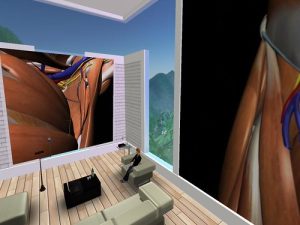
Virtual reality (VR) technology is transforming medical training in emergency medicine. In 2026, VR is used for:
- Realistic Simulations: Emergency medical personnel can practice various scenarios in a safe environment, improving their response to real-life situations.
- Team Training: VR allows entire emergency response teams to train together, fostering better communication and coordination during critical moments.
Emphasis on Mental Health Support in Emergency Care
Recognizing the importance of mental health in emergency care, many facilities now incorporate mental health professionals within EDs. This shift includes:
- On-site Mental Health Crisis Teams: Trained specialists can provide immediate support to patients experiencing mental health crises, ensuring comprehensive care.
- Screening Protocols: Emergency departments implement standardized mental health screenings for all patients, addressing underlying mental health issues that may accompany physical injuries.
Conclusion: The Future of Emergency Medicine
As we move forward, the innovations in emergency medicine will continue to enhance patient care and improve outcomes. From AI and tele-emergency services to improved triage systems and mental health support, the future of emergency medicine in 2026 is focused on delivering timely, effective, and comprehensive care to those in need.